


Halifax, Plymouth County
Halifax Heating and Cooling for Local Homes
We repair, replace and tune ducted furnaces and central air conditioners for Halifax homeowners. Plymouth County homes have a median build year of 1971, so access, venting and duct condition deserve attention.
We service ducted furnaces and central AC in Halifax, where many Plymouth County homes predate 1980.
- Call to set up a visit
- Covering 23 ZIP codes around Plymouth
Working in Plymouth CountyHansonPlymptonPembrokeKingstonPlymouth
- Licensed & InsuredLicensed & Insured
- Satisfaction GuaranteedSatisfaction Guaranteed
- Serving 13 communities in Plymouth and Barnstable counties13 communities
- From Hanson to SandwichFrom Hanson to Sandwich

Halifax, Plymouth County
A Halifax Home Sets the Starting Point
Halifax houses carry a substantial winter workload. The NOAA Bridgewater station, 5.9 miles away, records 6,230 annual heating degree days, so a weak ignition sequence, restricted return, or failing blower can become clear during sustained demand. The town’s housing stock has a median build year of 1981, and many homes place equipment in basements or along established duct paths. We begin by identifying the fuel and documenting the symptom, then inspect the furnace, controls, airflow, venting, and thermostat connection. For central AC, we add the coil, condenser, refrigerant circuit, and condensate drain. Our findings guide repair, replacement, or seasonal cleaning.
- Confirm fuel, equipment type, and thermostat signal
- Inspect furnace operation and safety controls
- Trace airflow through existing duct paths
- Test central AC coil, condenser, and drain
Why people call us
Why Halifax Homes Need A Closer Check
Propane supplies 11.5% of Halifax occupied homes as a primary heating fuel, while other homes rely on different connections. Our team identifies the fuel, equipment, house access, and local approval path before choosing the work.
We identify the actual fuel
Halifax heating records include propane, utility gas, fuel oil, electricity, and wood. We confirm the connection and furnace type before selecting tests or discussing a repair.
House age affects the route
Halifax homes have a median build year of 1981, and 48.5% predate 1980. We account for basement clearances, venting, return paths, and duct connections that may not match newer layouts.
Local roads shape the visit
Routes 58 and 106 meet near Halifax center, and Route 36 ends at Route 106. Those corridors help us plan access while the equipment location determines what we bring and inspect.
Town approval is part of replacement
Halifax handles its own review through the Building Department at Town Hall. We include the local permit and inspection path when a furnace installation changes regulated equipment or related work.
How we help
Furnace and AC Services in Halifax
Halifax homes use several heating fuels, and local winter demand makes careful testing important. We work on ducted furnaces and central air conditioners, using the existing home and equipment as our starting point.
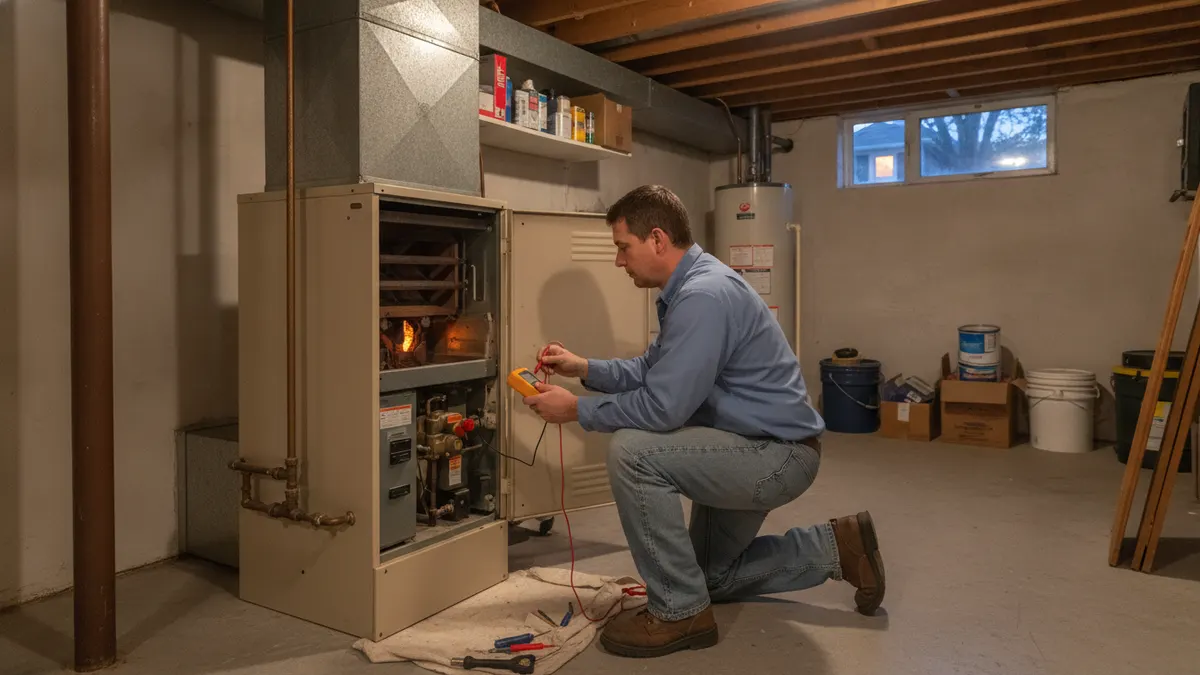
Furnace Repair
We diagnose ducted gas, oil, and propane furnaces in Halifax, where fuel connections and older duct paths can change the fault-testing sequence.
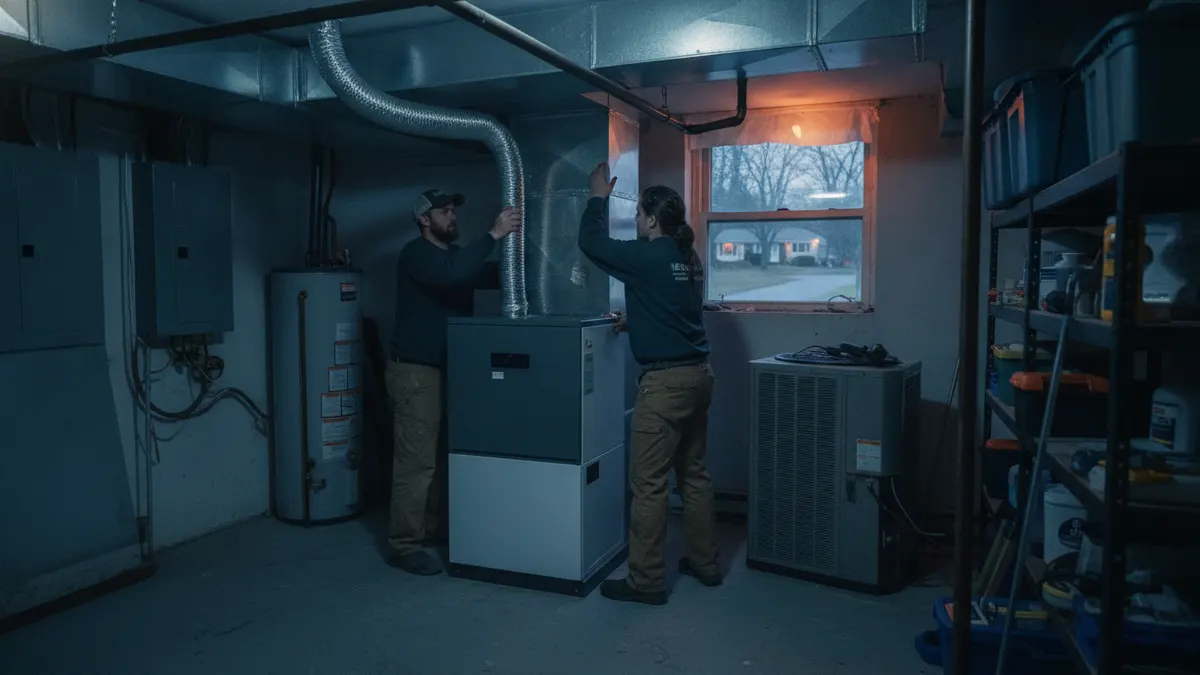
Furnace Replacement
We replace existing ducted furnaces in Halifax with sizing based on the home, existing ducts, fuel, and the Building Department approval path.
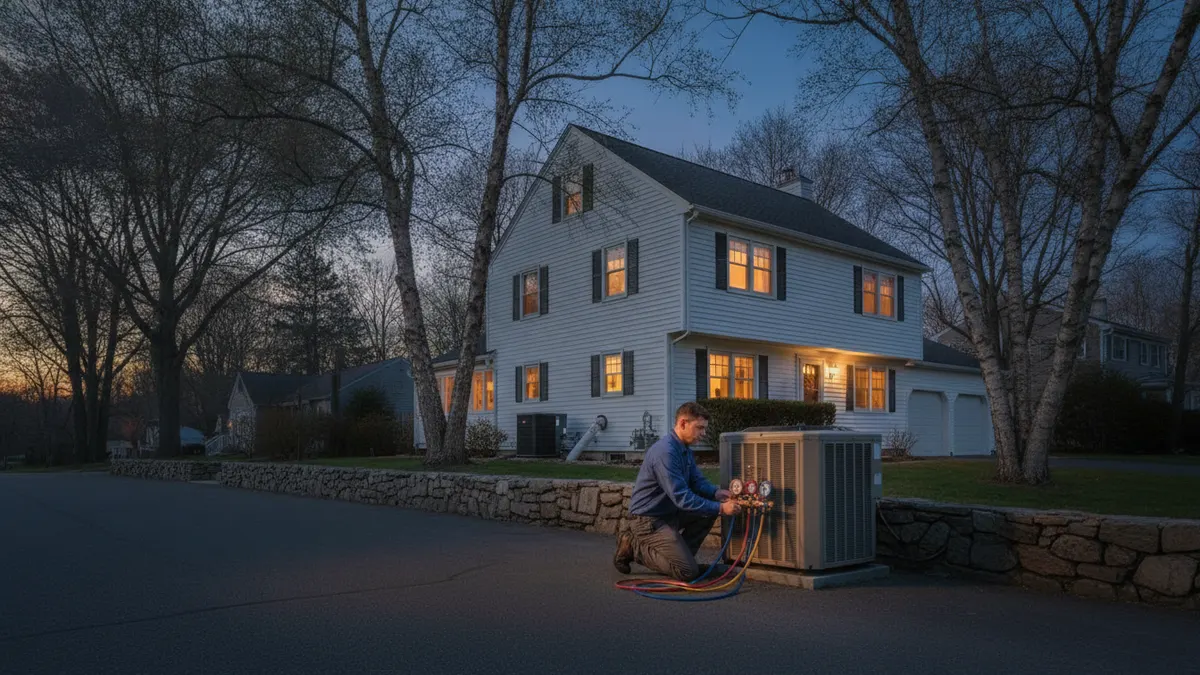
AC Repair
We repair central AC serving Halifax homes, checking airflow, condensate drainage, and controls when summer cooling cannot keep up.
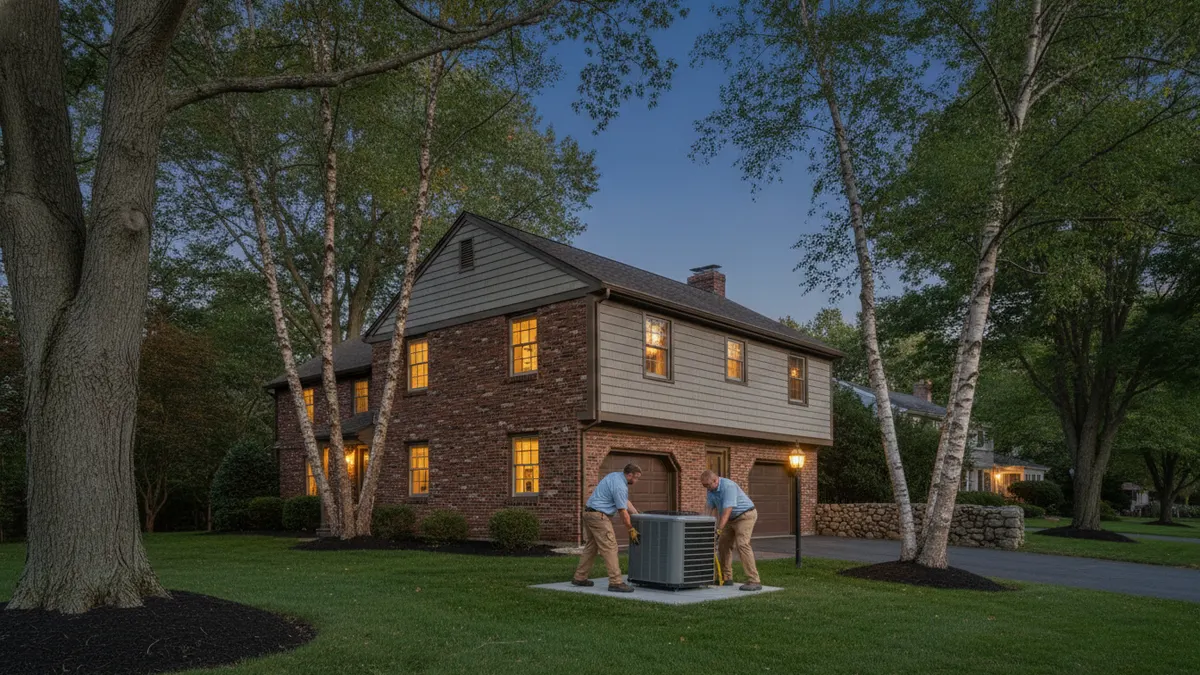
AC Replacement
We replace central AC on existing ducts in Halifax, matching the outdoor condenser and indoor coil to the home's airflow and electrical conditions.
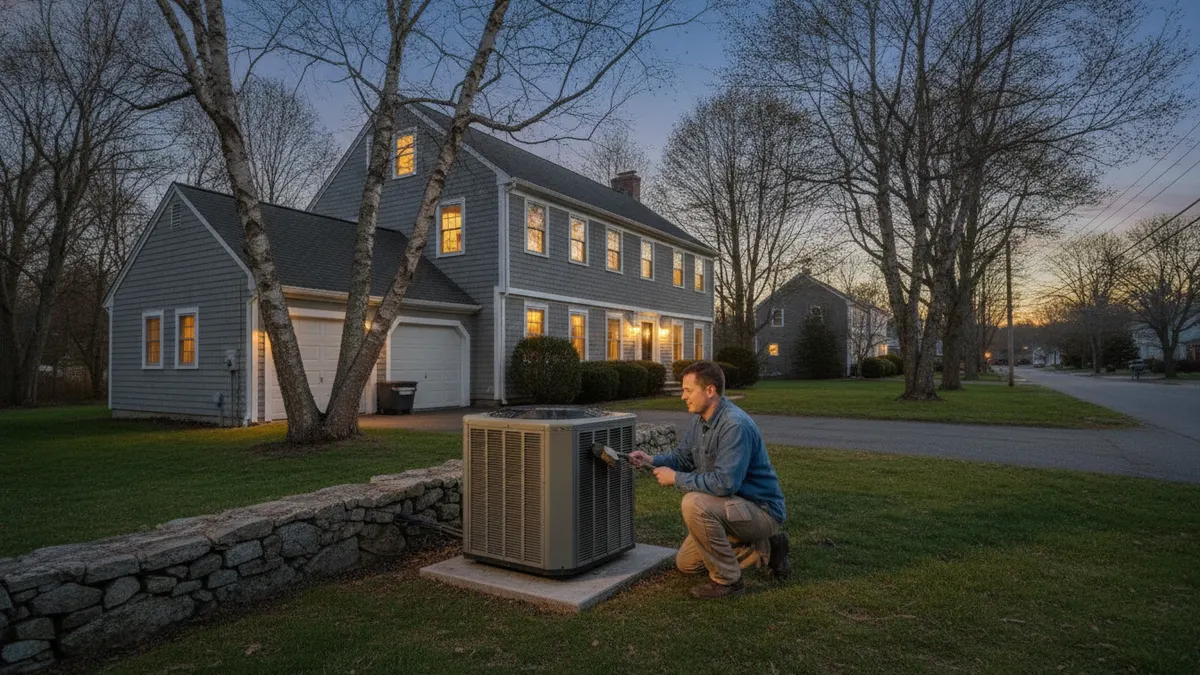
Furnace and AC Tune-Ups
We clean and tune Halifax furnaces and central AC systems before seasonal demand, checking operation, airflow, safety controls, and condensate movement.


Step by step
Four Steps Through a Halifax Service Visit
We begin with the symptom and the equipment, then account for Halifax's fuel connections, house access, and local approval requirements. Each step produces information for the next decision.
Step 1
Describe the equipment and symptom
We record what the furnace or central AC is doing, identify the fuel and equipment type, and note access conditions around the Halifax home.
Step 2
Test the operating sequence
Our technicians inspect the relevant controls, ignition, airflow, blower, coil, drain, or condenser components. We test rather than assume which part caused the symptom.
Step 3
Explain the repair or replacement path
We show what failed, what condition we found around the equipment, and how ducts, clearance, sizing, or fuel connections affect the recommended work.
Step 4
Complete the work and approvals
We perform the agreed service, verify operation, and address the applicable permit process through Halifax's Building Department. Regulated equipment, gas, and sheet metal work may follow separate rules.
Around town
Halifax Service Conditions by the Numbers
These figures help us think about access, moisture and cold-weather demand before we work on a furnace or central AC in Halifax.
Sources: U.S. Census Bureau, ACS 2023 5-year estimates; NOAA 1991-2020 climate normals, Bridgewater station
What affects the price
What Changes the Price in Halifax
Massachusetts rules require permits before regulated equipment is installed or altered. Halifax's Building Department handles the local code process, while separate gas and sheet metal rules may apply.
Equipment and fuel
A gas, oil or propane furnace has different parts, testing points and installation requirements. The confirmed fuel connection changes the work involved.
Duct condition and sizing
A replacement uses existing ducts, so restricted returns, damaged connections or sizing concerns can add diagnostic and correction work.
Access in the home
Basement layout, cabinet clearance and the path to the equipment affect how technicians remove, repair or install the system.
Permit and inspection scope
Massachusetts requires permits for regulated equipment, gas work and sheet metal work under their applicable rules. The Halifax code office handles local review.
AC component matching
Central AC replacement includes an outdoor condenser and matching indoor coil. Existing electrical, condensate and airflow conditions affect the installation.
We agree on the scope and the price with you before we start.
Our area
Serving Halifax and Nearby Towns
Use the map to locate your street and confirm the town we serve. Our Halifax routes connect with Hanson, 3.3 miles north, Plympton, 4.3 miles southeast, and Pembroke, 5.4 miles north-northeast.
Good to know
Halifax Furnace and AC Questions
How should I get ready for a service visit?
Clear a path to the furnace or central AC, note when the problem occurs, and gather recent service notes. Tell us the fuel if you know it. Halifax homes may use utility gas, propane, fuel oil, electricity, or wood, so that detail helps us choose the first tests.
Why does my furnace shut off after a few minutes?
Early shutdown can come from ignition trouble, a sensor, restricted airflow, a limit control, or a thermostat signal. We observe the operating sequence and test the related circuits. In Halifax, basement access and older duct paths can affect which parts we inspect first.
Do I need to be home during the visit?
We need access to the furnace or central AC and a way to review our findings with you. Someone should be available if the visit may lead to a repair decision. We also review the fuel connection, duct condition, equipment location, and permit needs before proceeding.
How hard does a central air conditioner work in a Halifax summer?
The Bridgewater station, 5.9 miles from Halifax, records a July average temperature of 71.4°F and a typical daily high of 82.7°F. If cooling falls behind, we test airflow, the coil, refrigerant circuit, condenser fan, electrical controls, and condensate drain.
Is an inspection required after a new furnace goes in?
The required approvals depend on the work. Halifax operates its Building Department at Town Hall, and Massachusetts rules require permits before regulated equipment is installed or altered. Gas and sheet metal work may have separate requirements. We explain the permit and inspection steps in the replacement plan.
How long should a furnace last through Halifax winters?
A fixed service life cannot account for fuel, installation, airflow, maintenance, and equipment condition. We examine the heat exchanger, burners, ignition, blower, safety controls, and duct performance. Those findings show whether repair remains sensible or replacement better suits the home.
Local climate
Halifax Heating and Cooling Normals
The NOAA Bridgewater station, 5.9 miles from Halifax, shows a January average of 27.4°F and 6,230 annual heating degree days. That cold-weather load makes furnace controls, ignition and airflow important parts of a careful service visit.
- 27.4°FJanuary averageLows near 17.1°F
- 71.4°FJuly averageHighs near 82.7°F
- 6,230Heating degree daysPer year, base 65°F
- 522Cooling degree daysPer year, base 65°F
- 50.96 inPrecipitationRain and melted snow per year
This week in Halifax
Live forecastNOAA 1991-2020 climate normals, Bridgewater station, 5.9 miles from Halifax.
Plan the Next Heating or Cooling Step
Call our Halifax team to inspect the furnace or central AC, identify the actual fault, and explain the repair or replacement path.
Plymouth, MA 02360