


Plymouth, MA
Plymouth Furnace Repair and AC Service
Plymouth homes have a median build year of 1980, so furnace and AC work often includes basement access, existing ducts, venting and older connections. We diagnose and service those systems in Plymouth and the surrounding towns.
Homes built around 1980 can hide duct and access issues. We diagnose the full furnace or AC system.
- Call to set up a visit
- Covering 23 ZIP codes around Plymouth
Working in Plymouth CountyBarnstable County
- Licensed & InsuredLicensed & Insured
- Satisfaction GuaranteedSatisfaction Guaranteed
- Serving 13 communities in Plymouth and Barnstable counties13 communities
- From Hanson to SandwichFrom Hanson to Sandwich

Plymouth, MA
Careful Furnace and AC Work for Plymouth Homes
A January average of 29.2°F puts steady demand on heating equipment in Plymouth. We work on existing gas, oil and propane forced-air furnaces and central AC systems in houses with a median build year of 1980. That means our technicians may find basement duct runs, tight service clearances, older venting or altered electrical connections beside the equipment. We check those conditions rather than treating the cabinet as the whole system. Our work starts in Plymouth and extends through Plymouth County and Barnstable County, including Kingston, Carver, Duxbury, Wareham, Bourne and Sandwich.
- Fuel and ignition sequence
- Accessible ducts and airflow
- Basement or crawl space access
- Permit scope when required
Why people call us
Why Plymouth Homeowners Call Us
Utility gas heats 37.6% of occupied Plymouth homes, while other properties rely mainly on propane, electricity or fuel oil. We identify the fuel, equipment and failure pattern before choosing a repair path.
Fuel-specific testing
A gas ignition fault is not tested like an oil burner or propane furnace problem. We trace the actual sequence at your equipment, including safeties and combustion controls.
Homes built around 1980
Plymouth’s median home build year is 1980. Basement access, duct routes, venting and electrical connections can shape the repair, so we inspect the surrounding installation.
Cooling system diagnosis
The NOAA Plymouth Muni Airport station lists a July average of 71.9°F. When central AC struggles, we test airflow, the coil, condenser, controls and condensate drainage.
Utility connection awareness
Eversource Energy supplies electricity through NSTAR Electric and natural gas through NSTAR Gas. We account for the fuel shutoff, electrical feed and equipment connection during diagnosis.
Existing duct evaluation
A furnace or central AC can operate poorly when return air is restricted or a supply connection is damaged. We follow airflow through accessible parts of the existing duct system.
Service area knowledge
We travel from Plymouth into Kingston, Carver, Duxbury, Wareham, Bourne and other listed communities. The home’s equipment, access and fuel guide each visit.
How we help
Furnace and Central AC Services
Homes around Plymouth use different fuels, duct layouts and service spaces. We repair and replace existing forced-air furnaces and central AC systems, with the inspection focused on the equipment and the house around it.
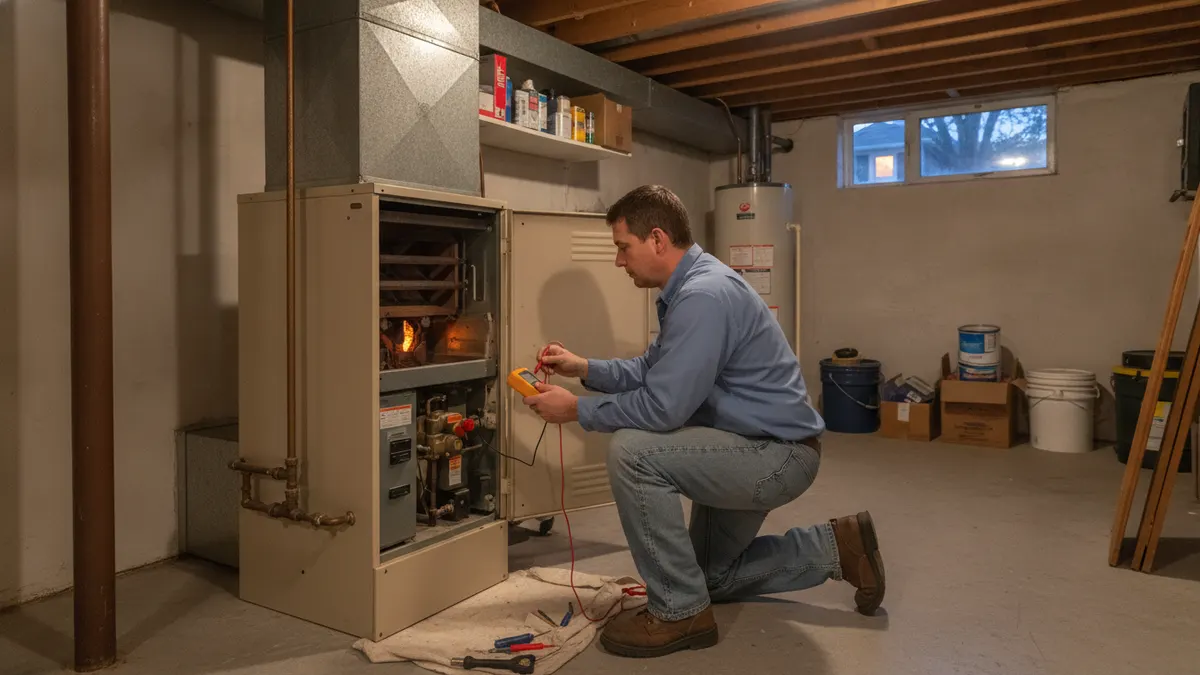
Furnace Repair
We diagnose gas, oil and propane forced-air furnace failures, from ignition faults to blower problems, with Plymouth’s older duct access in mind.
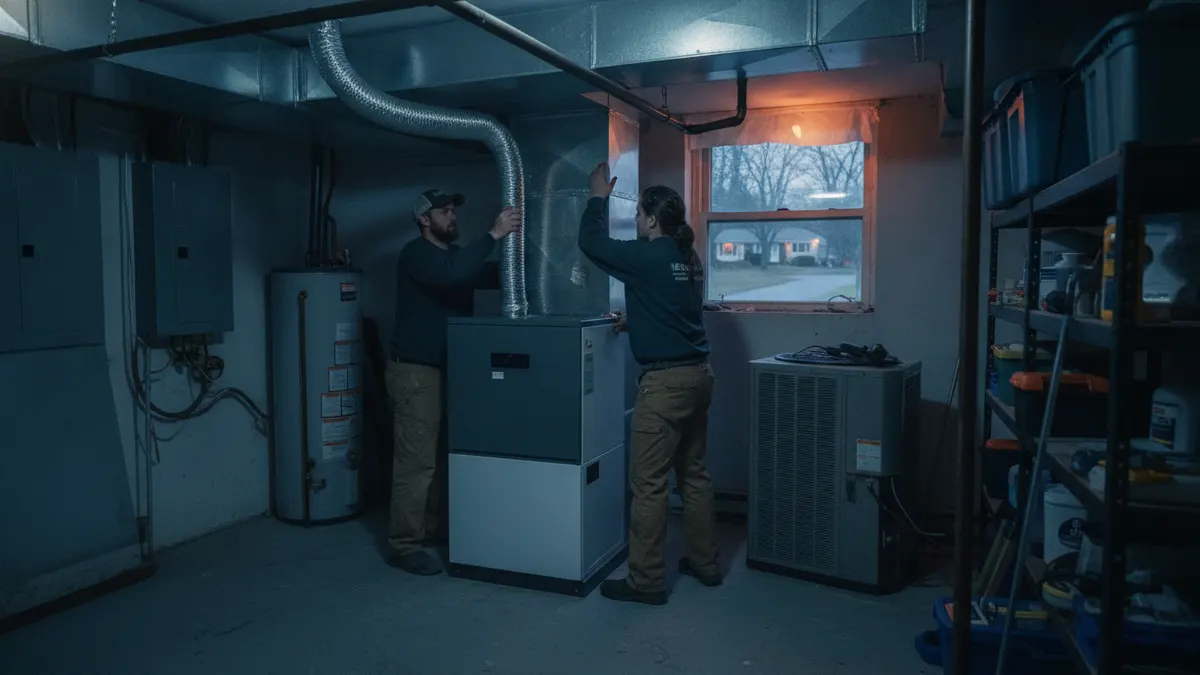
Furnace Replacement
We replace an existing forced-air furnace on its ducts, checking sizing, access and the building and gas permits that apply to the Plymouth job.
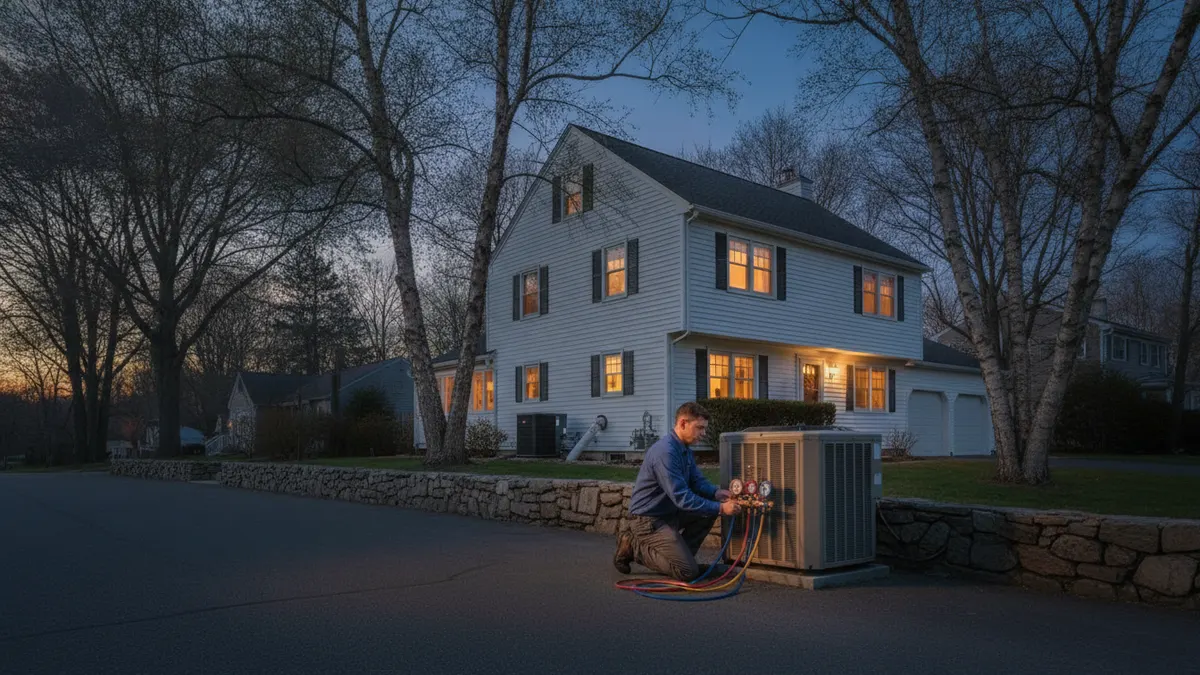
AC Repair
We troubleshoot central AC that fails to cool, freezes or leaks, including coil, refrigerant, electrical, condenser fan and condensate drain faults.
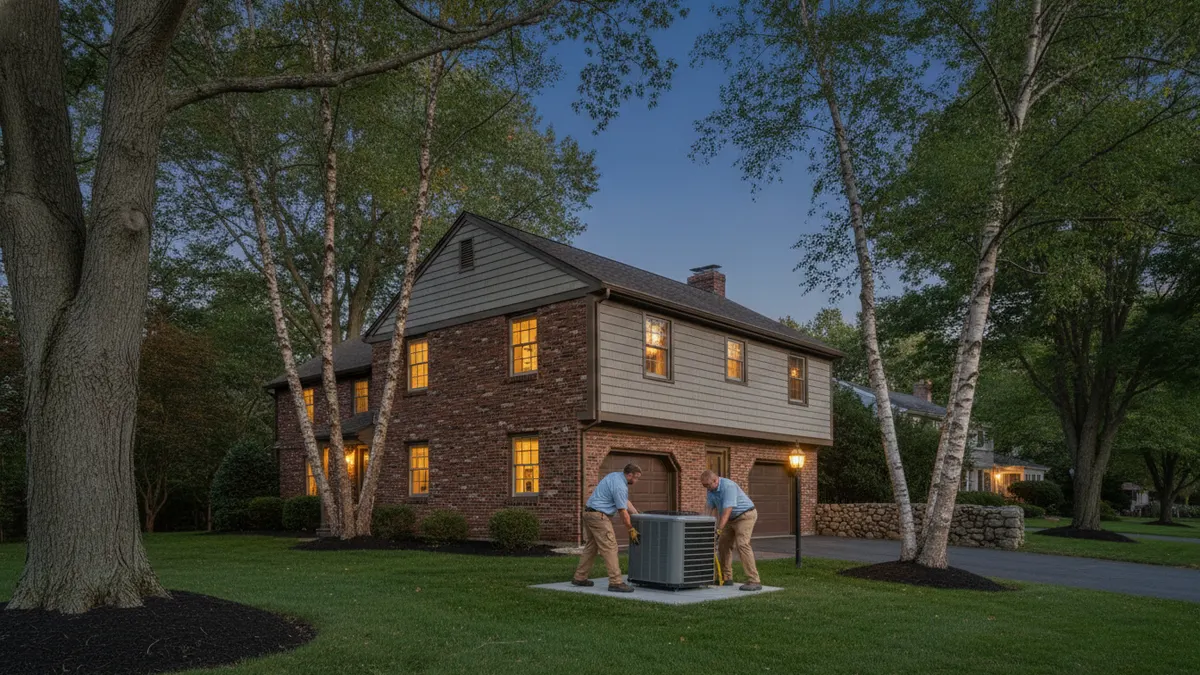
AC Replacement
We replace a central AC outdoor condenser and matching indoor coil on existing ductwork, accounting for the home’s airflow and electrical connections.
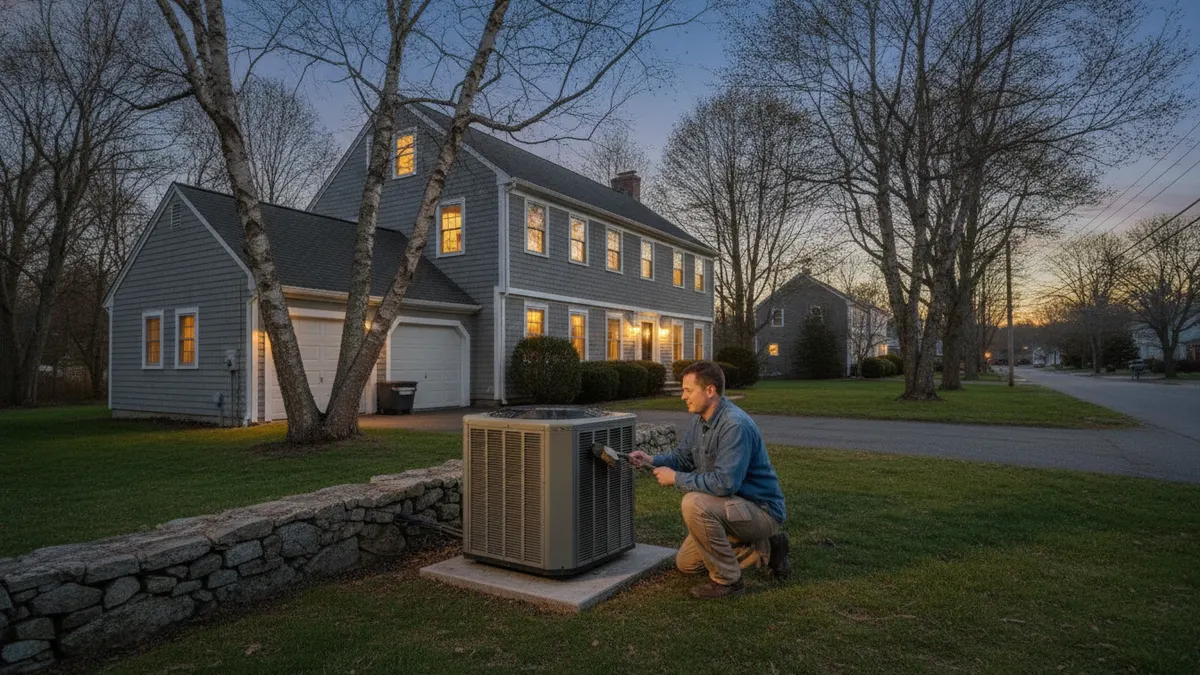
Furnace and AC Tune-Ups
We clean and check furnaces and central AC equipment before seasonal demand, with attention to airflow, ignition, controls and condensate handling.


Step by step
A Careful Service Visit
We keep the visit practical: identify the failure, explain the finding, complete approved work and verify the system before leaving.
Step 1
Tell us what changed
We ask what the furnace or central AC is doing, review the equipment type and note conditions such as no heat, short cycling, poor cooling or water at the drain.
Step 2
Inspect the system
Our technician checks controls, safety components, airflow, duct connections and access. In Plymouth homes, basement and crawl space conditions can affect the diagnosis.
Step 3
Explain the repair path
We identify the failed part or system condition, describe repair and replacement options, and explain permit requirements when the work changes equipment, gas connections or sheet metal.
Step 4
Finish and verify
We complete the approved work, test operation and check related connections. For Plymouth work, the required permit and inspection path is handled through the proper local office.
Around town
Plymouth Service Conditions
These local figures help explain why we inspect both the equipment and the house around it. Climate, housing age and heating fuel all shape the visit.
Sources: U.S. Census Bureau, ACS 2023 5-year estimates; NOAA 1991-2020 climate normals
What affects the price
What Shapes the Work and Cost
Plymouth meets Bourne, Wareham, Carver, Kingston and Duxbury, and homes near those boundaries can present different access, duct and installation conditions. We examine the physical setting before defining the job.
Fuel and equipment design
Gas, oil and propane furnaces contain different burners, ignition parts and controls. The failed component and the condition of the equipment determine the diagnostic and repair work.
Duct layout and condition
A basement or crawl space may contain restricted returns, loose joints or damaged insulation. Finding and correcting those issues can expand the work beyond the furnace cabinet.
Sizing and airflow
Replacement equipment must suit the home and its existing ducts. Measurements, return capacity and supply airflow affect which equipment can operate properly.
Physical access
Narrow mechanical spaces, difficult removal paths and limited clearance can add labor to a replacement. We assess the route to the equipment before planning installation.
Permits and regulated work
Plymouth identifies sheet metal permits for ductwork, while regulated equipment and gas work follow separate permit rules. The scope determines which filings and inspections are needed.
Condition of connected parts
A thermostat, blower, venting section, electrical connection or condensate drain can change the repair plan. We test related components before separating one failed part from the larger system.
We agree on the scope and the price with you before we start.
Our area
Find Your Town on Our Service Map
We work across Plymouth County and Barnstable County, including Plymouth, Kingston, Carver, Wareham, Bourne and Sandwich. Check the map for your community, including The Pinehills, North Plymouth, East Wareham and Monument Beach.
Good to know
Plymouth Furnace and AC Questions
Do I need a permit to replace a furnace or central AC in Plymouth?
Permit requirements depend on the work involved. Massachusetts rules require permits for regulated equipment and separate sheet metal work, while gas work requires a local gas permit. Plymouth’s permit information identifies a sheet metal permit for ductwork. We review the scope and explain the applicable permit path before work begins.
Who handles HVAC permits and inspections for Plymouth?
The Town of Plymouth runs its own Inspectional Services Department, Building. That office handles the building-side HVAC permit and inspection process. Sheet metal work is permitted through the local building inspector, and gas fitting work follows the local plumbing or gas inspector process. We account for those steps when planning the job.
Does the age of homes in Plymouth change how you approach heating repairs?
Yes. The median year homes were built in Plymouth is 1980. Older homes may have different duct layouts, basement access, venting and electrical connections than newer homes. We inspect those surrounding conditions because a failed furnace part may not be the only reason for poor heat or repeated shutdowns.
My house was built before 1980. What should you check on the duct system?
We check accessible supply and return connections, airflow restrictions, disconnected sections, insulation condition and clearances around the furnace. We also look at basement or crawl space access. The goal is to determine whether the duct system can move the required air after the repair or replacement.
How long should a furnace last through Plymouth winters?
Furnace life depends on fuel, installation, maintenance, airflow and the condition of major components. Plymouth’s January average is 29.2°F, so equipment may run under sustained winter demand. We assess the heat exchanger, burner or ignition system, blower, controls and repair history before discussing repair or replacement.
When is the best time to book a furnace tune-up in Plymouth?
Book the tune-up before the heating system carries its winter load. We clean the furnace, inspect safety and operating parts, and check airflow and controls. A seasonal visit can identify restricted airflow, worn components or ignition problems before a cold-weather no-heat call.
Start With a Careful Diagnosis
Plymouth’s sheet metal permit rules cover ductwork, and the Town of Plymouth Inspectional Services Department handles local building inspections. Call us to plan the right service.
Plymouth, MA 02360